
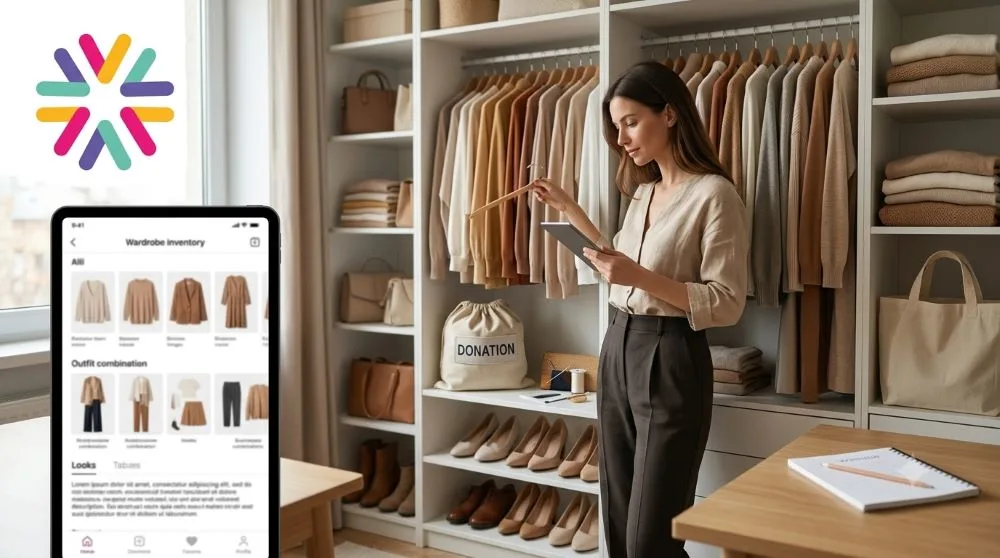
Your closet may already be full of good outfits. The problem is that you cannot always see them.
That is why impulse shopping feels so tempting. A new dress, jacket, sneaker, or “must-have” basic looks like the answer when your real wardrobe feels invisible, repetitive, or hard to style. But in 2026, a smarter lifestyle trend is changing the way people shop: building a digital wardrobe inventory and treating your own closet like your personal style feed.
The closet influencer method wardrobe approach is simple: before you let influencers sell you another piece, become the influencer of your own closet.
Quick Answer: What Is the Closet Influencer Method?
- The closet influencer method means styling, photographing, and reviewing your own clothes like a personal fashion account before buying more.
- Digital closet inventory apps help you upload clothing photos, plan outfits, track what you wear, and identify real wardrobe gaps.
- Apps like GetWardrobe outfit planner make it easier to build looks from clothes you already own instead of impulse shopping.
- The method helps limit decision fatigue by creating ready-to-wear outfit formulas for work, weekends, travel, and events.
- It supports sustainable wardrobe organization by encouraging reuse, smarter shopping, and better cost-per-wear awareness.
Closet Influencer Method Wardrobe: Why This Trend Is Growing
The closet influencer method wardrobe trend is growing because people are tired of buying clothes and still feeling like they have nothing to wear.
Social media makes fashion feel fast. Every week brings a new “core,” a new seasonal must-have, a new viral shoe, or a new outfit formula. The result is a constant feeling that your wardrobe is behind, even when your closet is already packed.
The closet influencer method flips that habit. Instead of using influencers as the first step toward shopping, you use them as styling inspiration. You ask: Can I recreate this mood with what I already own? Do I already have a similar color, shape, or layering piece? Would this new item actually unlock more outfits, or am I just reacting to a trend?
This method works because it creates distance between seeing and buying. That pause matters. Impulse shopping often happens when emotion, convenience, and low friction meet at the same time. A digital wardrobe inventory adds friction in a useful way. It reminds you what you own before you spend.
It also turns your closet into a visual tool. Once your clothes are photographed and organized, you can scroll your own wardrobe like a personal style app. That makes your existing pieces feel new again.
What Is Happening: The Rise of Digital Closet Inventory Apps
Digital closet inventory apps are becoming more popular because they solve a practical problem: most people do not have a clear memory of everything they own.
A digital closet lets you upload photos of your clothes, shoes, bags, accessories, and outerwear. Once your items are inside the app, you can group them by category, color, season, occasion, brand, or outfit type. Many apps also offer outfit planning, calendar tools, packing lists, cost-per-wear tracking, AI styling suggestions, and wardrobe statistics.
The point is not to make your closet feel more complicated. The point is to make it visible.
When you can see every black top, every pair of jeans, every blazer, and every pair of sneakers in one place, your shopping habits change. You may realize you already own five similar sweaters. You may discover that you have plenty of statement pieces but not enough practical basics. You may notice that your “dream life” clothes are taking up more space than your real-life outfits.
This is why digital wardrobe inventories fit modern lifestyle needs. They help reduce waste, simplify mornings, and make shopping more intentional.
GetWardrobe Outfit Planner and the New Digital Closet Routine
The GetWardrobe outfit planner is one example of how wardrobe apps are moving from simple cataloging to active styling support.
Digital closet tools like GetWardrobe allow users to upload clothing images, remove backgrounds, create outfits, and plan what to wear. The best use is not just saving pretty outfit collages. The real value is using the app as a daily decision tool.
For example, you can build a “Monday office” look, a “rainy day errands” look, a “dinner with friends” look, and a “travel day” look before the week begins. Then, when you are tired in the morning, you are not starting from zero.
This is where digital wardrobes help with decision fatigue. Getting dressed can feel stressful when every item competes for attention. A closet app turns vague choices into clear options.
Instead of asking, “What should I wear?” you ask, “Which saved outfit fits today?”
Why It Matters Right Now
This trend matters because American consumers are navigating three pressures at once: rising living costs, constant online shopping temptation, and a growing desire to make more sustainable choices.
Fashion is emotional. People buy clothes for confidence, identity, work, dating, events, body changes, seasonal shifts, and social belonging. That is normal. The problem begins when buying becomes a default response to boredom, stress, comparison, or uncertainty.
The closet influencer method gives people a more grounded alternative. It does not say, “Never shop.” It says, “Understand your wardrobe before shopping.”
For U.S. readers, this is especially relevant because online fashion shopping is frictionless. A product video, an influencer code, a one-click checkout, and fast shipping can turn a passing thought into a purchase in under two minutes.
A wardrobe inventory slows that down. It helps you compare the new item against what you already own. It also shows whether the item fits your actual lifestyle.
For businesses, this shift is important too. Fashion brands may need to work harder to prove value, versatility, and longevity. Consumers are no longer only asking, “Is this cute?” They are asking, “Will I actually wear this?”
Comparison: Impulse Shopping vs. Closet Influencer Method
| Category | Impulse Shopping | Closet Influencer Method | Why It Matters |
|---|---|---|---|
| Main trigger | Trend pressure, boredom, influencer content, sales, emotional spending | Outfit planning, wardrobe visibility, real gaps, personal style goals | Moves shopping from reaction to intention |
| Decision process | Fast and emotional | Slower and more visual | Reduces regret and duplicate purchases |
| Tools used | Shopping apps, social media, promo codes | Digital closet inventory apps, outfit planners, saved looks | Turns attention back to what you already own |
| Wardrobe result | More pieces, less clarity | Fewer gaps, more outfit combinations | Creates a more wearable closet |
| Sustainability impact | Can increase overbuying and underwearing | Encourages reuse, repair, resale, and smarter buying | Supports sustainable wardrobe organization |
How to Limit Decision Fatigue Getting Dressed
If you want to know how to limit decision fatigue getting dressed, the answer is not always buying more options. Often, it is creating fewer but better choices.
Start by identifying your real outfit categories. Most people dress for repeated situations: work, errands, workouts, casual weekends, school drop-off, date night, travel, family events, and special occasions.
Then create outfit formulas for each category. A formula is a repeatable structure, such as jeans plus knit top plus blazer, wide-leg pants plus fitted tee plus sneakers, or slip skirt plus sweater plus boots.
Once you know your formulas, use a digital wardrobe app or photo album to save complete looks. Try them on when you have time, not when you are rushing. Take mirror photos. Note what works.
This makes mornings easier because you have already done the hard thinking.
You can also reduce decision fatigue by creating weekly outfit plans. Choose five looks on Sunday. Check the weather. Steam or wash what needs attention. Put accessories with each look if possible. The more you prepare, the less your morning depends on willpower.
Sustainable Wardrobe Organization Starts With Visibility
Sustainable wardrobe organization is not only about buying eco-friendly brands. It is also about using what you already own more often.
A hidden wardrobe is an underused wardrobe. Clothes shoved into drawers, stored in random bins, or buried behind other pieces are easy to forget. Forgotten clothes lead to unnecessary shopping.
A digital inventory helps by making your closet searchable. You can see every white shirt, every pair of trousers, every jacket, and every party dress. That visibility supports better choices.
It also helps with cost per wear. A $200 coat worn 100 times is very different from a $40 top worn once. When you track what you wear, you may discover which pieces truly deliver value.
This can also help with resale and donation decisions. If an item has not been worn in a year and does not fit your lifestyle, it may be time to let it go. If an item is loved but damaged, repair may be better than replacing it.
Risks, Concerns, and Opposing Views
The closet influencer method is useful, but it is not perfect.
First, building a digital wardrobe takes time. Photographing clothes, removing backgrounds, tagging categories, and creating outfits can feel tedious at the beginning. Some people may start strong and abandon the app after a week.
Second, too much tracking can become another form of pressure. A wardrobe inventory should make life easier, not turn getting dressed into a data project.
Third, apps can encourage more screen time. If you already feel overwhelmed by digital tools, a simple camera roll album or spreadsheet may work better than a full wardrobe app.
There is also an opposing view that fashion should remain emotional and spontaneous. That is fair. Personal style should still include joy, surprise, and creativity.
The balanced approach is to use digital tools as support, not control. Your wardrobe inventory should help you shop less impulsively, not remove fun from fashion.
What Readers Should Do: A Beginner-Friendly Closet Influencer Plan
You do not need to digitize your entire closet in one day.
Start with one category. Choose shoes, jeans, jackets, dresses, or work tops. Photograph each item in natural light. Upload them to a digital closet app or save them in a phone album.
Next, create five outfits using only that category and pieces you already own. Take photos of each look. Name them based on real life: “Monday meeting,” “Saturday errands,” “airport outfit,” or “easy dinner.”
Then make a shopping pause rule. Before buying any new clothing item, open your wardrobe inventory and answer three questions:
- Do I already own something similar?
- Can I style this new item with at least three pieces I already have?
- Would I wear it within the next two weeks?
If the answer is no, wait 48 hours before buying.
Finally, create a wishlist instead of a cart. A wishlist lets you notice patterns. If the same item remains useful after several weeks, it may be a real gap. If you forget about it, it was probably impulse interest.
Future Outlook: The Wardrobe Is Becoming Smarter
The future of wardrobe organization will likely combine personal style, sustainability, and AI.
Digital closet apps will become better at recognizing clothing, suggesting outfits, tracking wear, planning packing lists, and identifying wardrobe gaps. Some tools may connect more directly with resale platforms, repair services, and shopping recommendations based on what you already own.
That future has promise, but the most important shift is behavioral. People are learning that style is not always improved by more buying. Sometimes it improves when you understand your own closet better.
The next wave of fashion influence may not come only from creators showing new hauls. It may come from people showing how creatively they use what they already have.
“RankAshva editorial view is that the most stylish wardrobe of 2026 is not the fullest one—it is the one you can see clearly, style confidently, and shop from before the internet shops for you.”
FAQ: Closet Influencer Method and Digital Wardrobe Apps
What is the closet influencer method?
The closet influencer method is a wardrobe strategy where you style, photograph, and review your own clothes like a personal fashion feed before buying anything new. It helps you shop your closet first.
What are digital closet inventory apps?
Digital closet inventory apps let you upload photos of your clothing, organize items by category, create outfits, plan what to wear, and track how often you use different pieces.
Is GetWardrobe outfit planner useful for beginners?
Yes. GetWardrobe can help beginners see their clothes digitally, build outfit combinations, and plan looks from items they already own. The key is to start with one category instead of uploading everything at once.
How can I stop impulse shopping for clothes?
Create a 48-hour pause rule, check your wardrobe inventory before buying, keep a wishlist instead of a shopping cart, and only buy items that work with at least three things you already own.
How does a digital wardrobe reduce decision fatigue?
A digital wardrobe reduces decision fatigue by letting you save complete outfits in advance. Instead of deciding from your entire closet every morning, you choose from looks you already know work.
Conclusion
The closet influencer method is powerful because it changes the direction of influence.
Instead of letting every trend push you toward another purchase, you use your own wardrobe as the starting point. Digital closet inventory apps, outfit planners, and saved looks make that process easier, more visual, and more realistic.
The key takeaway is simple: before you buy more clothes, become more familiar with the clothes you already own. A better wardrobe may not begin at checkout. It may begin with opening your closet, taking a photo, and styling what is already there.




More Stories
The Return of Capris and Kitten Heels: How to Style 2026’s Biggest Y2K Fashion Revival
Fibermaxxing Explained: The 2026 Gut Health Trend Replacing the Protein Craze
Spring 2026 Fashion Trends: Why Crochet Shirts and Boudoir Aesthetics Are Taking Over Summer