
For years, wellness culture told Americans to chase more protein. Protein coffee, protein cereal, protein snacks, and protein desserts became part of everyday food marketing.
Now a different nutrition conversation is taking over: the fibermaxxing trend. Instead of asking, “How much protein can I add?” people are starting to ask, “Am I feeding my gut, my digestion, and my long-term health?”
Quick Answer: What Is the Fibermaxxing Trend?
- Fibermaxxing is the practice of intentionally increasing dietary fiber from foods like beans, oats, berries, vegetables, seeds, nuts, and whole grains.
- The trend is popular because many Americans do not eat enough fiber, even though fiber supports digestion, fullness, cholesterol, blood sugar balance, and microbiome health.
- Unlike extreme diet trends, fibermaxxing can be healthy when done gradually and with enough water.
- The safest approach is to add fiber slowly, choose whole foods first, and avoid suddenly jumping to very high fiber amounts.
- Fiber is not replacing protein completely; it is correcting a long-ignored gap in modern American eating.
Fibermaxxing Trend: Why Fiber Is Suddenly the Star of Gut Health 2026
The fibermaxxing trend is part of a larger shift in how people think about food. Instead of focusing only on calories, macros, or fast body goals, more consumers are paying attention to digestion, energy, blood sugar, inflammation, and the gut microbiome.
The word “fibermaxxing” sounds like internet slang, but the idea behind it is not new. Dietitians have been telling people to eat more fiber for decades. What is new is the social media packaging. A simple public health message has become a viral lifestyle trend, especially among people tired of protein-heavy wellness marketing.
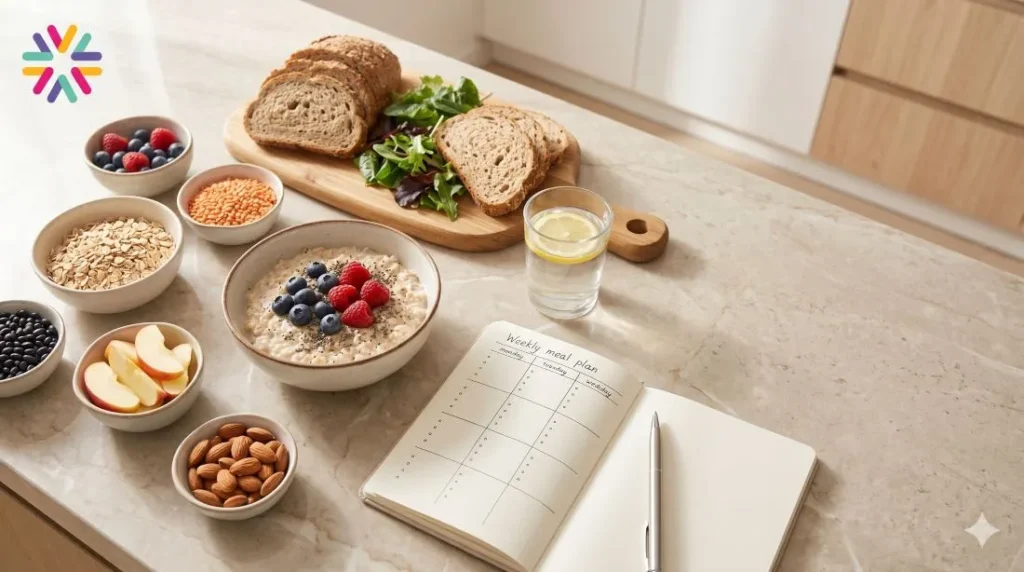
The trend is also practical. Fiber-rich foods are familiar and affordable. Beans, lentils, oats, apples, berries, chia seeds, vegetables, popcorn, brown rice, and whole-grain bread are not luxury wellness products. They are everyday foods that can improve a basic meal without requiring complicated tracking.
In 2026, fibermaxxing is trending because it feels like a correction. The protein craze helped many people understand the importance of satiety and muscle support, but it also pushed some consumers toward highly processed snacks with a “high-protein” label. Fiber brings the focus back to plants, variety, and digestive health.
That does not mean protein is no longer important. It means fiber is finally getting the attention it deserves.
What Fiber Actually Does in the Body
Dietary fiber is a type of carbohydrate the body does not fully digest. That may sound unimportant, but it is exactly what makes fiber powerful.
Fiber helps move food through the digestive system, supports regular bowel movements, and can help people feel full after meals. Some types of fiber also help slow the absorption of sugar, which may support steadier blood sugar levels. Soluble fiber, found in foods like oats, beans, apples, and psyllium, can also support healthy cholesterol levels as part of a balanced diet.
Fiber also plays a major role in microbiome health. The gut microbiome is the community of bacteria and other microbes living in the digestive tract. Certain fibers act as fuel for beneficial gut bacteria. When those bacteria ferment fiber, they produce compounds called short-chain fatty acids, which are linked to gut barrier support and broader metabolic health.
This is why fibermaxxing is not just about digestion. It connects to the bigger 2026 wellness conversation around gut health, immune support, metabolic health, and sustainable eating habits.
Why Fibermaxxing Is Replacing the Protein Craze
The phrase “replacing the protein craze” should be understood as a cultural shift, not a nutrition rule. Protein still matters for muscle, metabolism, recovery, and fullness. But the wellness market became so protein-focused that fiber was often ignored.
Many packaged foods now advertise protein loudly while offering little fiber. A snack can be high in protein and still be low in plants, low in whole-food value, and high in added sweeteners or refined ingredients. Fibermaxxing pushes consumers to look beyond the front label and ask better questions.
Does this food support digestion? Does it contain whole plants? Does it help me feel full without feeling heavy? Does it contribute to a diverse gut microbiome?
That is the deeper appeal of fibermaxxing. It gives people a simple, positive goal. Instead of cutting out entire food groups or following strict rules, they can add more beans, vegetables, berries, seeds, and whole grains. For many beginners, adding is easier than restricting.
High-Fiber Diet Benefits: What Makes This Trend Useful
The most valuable part of the high-fiber diet benefits conversation is that fiber supports several areas of health at once.
First, fiber supports digestive regularity. People who struggle with constipation often benefit from more fiber, especially when they increase intake slowly and drink enough water.
Second, fiber can improve fullness. High-fiber foods often take longer to chew and digest, which can make meals more satisfying. This may help people reduce constant snacking without feeling deprived.
Third, fiber supports heart and metabolic health. Soluble fiber can help with cholesterol management, while fiber-rich meals can slow digestion and support more stable blood sugar patterns.
Fourth, fiber encourages better food quality. When people increase fiber through whole foods, they naturally eat more plants. That often means more vitamins, minerals, antioxidants, and diverse textures in the diet.
Finally, fibermaxxing can be more budget-friendly than many wellness trends. A bag of lentils, a container of oats, frozen berries, canned beans, and brown rice can go a long way.
Fibermaxxing vs. Other Latest Dietary Trends
| Trend | Main Focus | Potential Benefit | Possible Risk | Best Beginner Approach |
|---|---|---|---|---|
| Fibermaxxing | Eating more fiber-rich foods | Supports digestion, fullness, cholesterol, blood sugar balance, and microbiome health | Too much too fast can cause gas, bloating, or cramps | Add 3 to 5 grams of fiber daily for a week, then increase slowly |
| Protein-focused eating | Increasing protein intake | Supports muscle, satiety, and recovery | Can crowd out plants if taken too far | Pair protein with fiber-rich foods like beans, vegetables, or whole grains |
| Gut health supplements | Probiotics, prebiotics, powders, and capsules | May help some people depending on the product and need | Can be expensive and inconsistent | Start with food diversity before relying on supplements |
| Low-carb dieting | Reducing carbohydrate intake | May help some people manage appetite or blood sugar | Can reduce fiber if fruits, beans, and whole grains are cut too heavily | Keep high-fiber vegetables, seeds, nuts, and legumes when possible |
| Whole-food eating | Choosing minimally processed foods | Improves nutrient quality and supports long-term habits | Can feel restrictive if approached too rigidly | Use simple swaps rather than perfection-based rules |
Why Fibermaxxing Matters Right Now in the United States
Fibermaxxing matters because the average American diet still tends to be high in convenience foods and low in whole plant foods. Many people eat enough calories but not enough fiber-rich ingredients.
This is important because low fiber intake is not just a digestion issue. It is connected to broader patterns in American health, including heart health, blood sugar concerns, weight management, and overall diet quality.
The trend also matters socially. Food culture has become expensive, confusing, and noisy. Consumers are surrounded by claims about protein, collagen, greens powders, detox drinks, gut shots, and wellness snacks. Fibermaxxing is popular partly because it brings the conversation back to basic foods people recognize.
For busy families, it can be practical. Add beans to tacos. Put berries on oatmeal. Choose whole-grain bread. Add lentils to soup. Snack on pears, popcorn, or nuts. Mix chia seeds into yogurt. These are small choices, but repeated daily, they can change the quality of a diet.
For businesses, fibermaxxing may influence grocery shelves and restaurant menus. Expect more high-fiber bowls, bean-based snacks, oat products, lentil pastas, prebiotic claims, and gut-friendly meal kits. The opportunity is real, but so is the risk of marketing hype.
Risks, Concerns, and Opposing Views
Fibermaxxing is one of the more reasonable wellness trends, but “more” is not always better. The biggest mistake is increasing fiber too quickly. A sudden jump from a low-fiber diet to a very high-fiber diet can cause bloating, gas, cramps, constipation, or diarrhea.
Water matters too. Fiber works best when fluid intake supports it. If someone adds fiber supplements or large amounts of dry high-fiber foods without enough fluids, digestion may feel worse before it feels better.
People with certain digestive conditions should be more careful. Some individuals with irritable bowel syndrome, inflammatory bowel disease, diverticular issues, or other gastrointestinal concerns may need personalized guidance. Not every type of fiber feels the same to every body.
Another concern is processed “high-fiber” foods. A packaged cookie or bar with added isolated fiber may not offer the same overall value as beans, oats, fruits, vegetables, and whole grains. It may still be useful sometimes, but it should not become the foundation of the diet.
The opposing view is that fibermaxxing is just another internet rebrand of basic nutrition. That is partly true. But if a trend helps people rediscover beans, berries, oats, vegetables, and whole grains, the rebrand may still be useful.
What Readers Should Do: A Safe Beginner Plan
The best way to start fibermaxxing is slowly. Do not overhaul your entire diet overnight. Begin with one fiber upgrade per day and give your digestive system time to adjust.
1. Start with breakfast
Breakfast is the easiest place to add fiber. Try oatmeal with berries, chia seeds in yogurt, whole-grain toast with avocado, or a smoothie with fruit and ground flaxseed.
2. Add beans or lentils three times a week
Beans and lentils are fiber powerhouses. Add black beans to tacos, chickpeas to salads, lentils to soup, or white beans to pasta. Start with small portions if you are not used to them.
3. Use the “one more plant” rule
At lunch or dinner, add one more plant food. This could be spinach, roasted broccoli, salsa, carrots, peas, berries, beans, or a side salad. The goal is consistency, not perfection.
4. Choose whole grains when possible
Swap white rice for brown rice sometimes. Try whole-grain bread, quinoa, barley, oats, or whole-wheat pasta. You do not need to make every grain whole, but small swaps add up.
5. Increase water as fiber increases
As you eat more fiber, drink fluids throughout the day. This helps fiber move through the digestive system more comfortably.
6. Track how your body responds
Pay attention to bloating, bathroom habits, fullness, and energy. If discomfort increases, slow down and reduce the amount temporarily. Fibermaxxing should feel supportive, not punishing.
Future Outlook: Gut Health 2026 and Beyond
The future of gut health 2026 is likely to be more personalized and more food-first. Consumers are becoming smarter about the difference between a wellness claim and a sustainable habit.
Fiber will likely remain central because it connects to several major interests at once: microbiome health, metabolic health, longevity, heart health, and everyday digestion. It also fits with the larger return to real food, simple meals, and practical nutrition.
Expect more brands to promote prebiotic fiber, high-fiber snacks, gut-friendly meal plans, and fiber-rich convenience foods. Some of these products will be useful. Others will be more about marketing than meaningful nutrition.
The most trustworthy version of the trend will stay simple: eat more plants, increase gradually, drink enough water, and choose a variety of fiber sources. The future is not about maxing out one number. It is about building a gut-friendly pattern that people can maintain.
FAQ: Fibermaxxing and Gut Health
What is fibermaxxing?
Fibermaxxing is a wellness trend focused on intentionally increasing dietary fiber from foods like beans, lentils, oats, fruits, vegetables, seeds, nuts, and whole grains to support digestion and gut health.
Is fibermaxxing healthy?
Fibermaxxing can be healthy when it is done gradually and mostly through whole foods. The safest approach is to increase fiber slowly, drink enough water, and listen to your body.
Can too much fiber cause problems?
Yes. Adding too much fiber too quickly can cause gas, bloating, cramps, constipation, or diarrhea. People with digestive conditions may need professional guidance before making major changes.
What are the best high-fiber foods for beginners?
Beginner-friendly high-fiber foods include oats, berries, apples, chia seeds, lentils, black beans, chickpeas, sweet potatoes, popcorn, whole-grain bread, broccoli, and nuts.
Is fiber better than protein?
Fiber and protein do different jobs. Protein supports muscle and recovery, while fiber supports digestion, fullness, cholesterol, blood sugar balance, and the gut microbiome. A balanced diet usually needs both.
Conclusion: Fibermaxxing Is a Trend With Real Staying Power
The fibermaxxing trend stands out because it is not built around restriction, expensive products, or unrealistic promises. At its best, it encourages people to eat more of the foods most Americans already need: beans, oats, fruits, vegetables, seeds, nuts, and whole grains.
As a RankAshva editorial opinion, fibermaxxing is valuable not because it sounds new, but because it makes an old nutrition truth feel urgent again: better gut health often begins with simple foods, added slowly and repeated consistently.
“The future of wellness is not another extreme macro chase; it is the quiet return of fiber-rich foods that feed the body, the microbiome, and the habits people can actually sustain.”
The protein craze taught people to care about fullness and strength. Fibermaxxing expands the conversation toward digestion, balance, and long-term health. That is why this trend may last far beyond 2026.




More Stories
The Return of Capris and Kitten Heels: How to Style 2026’s Biggest Y2K Fashion Revival
Spring 2026 Fashion Trends: Why Crochet Shirts and Boudoir Aesthetics Are Taking Over Summer
No Piles, No Mess: How to Clear Any Room Using Dana White’s 5-Day Clutter Shakedown Method