
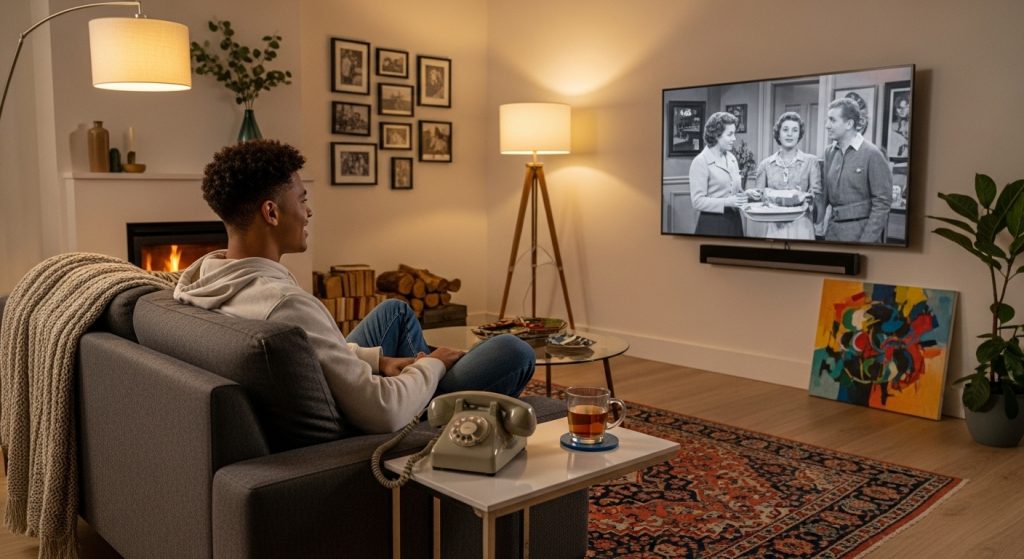
What’s driving the sudden return of old movies, classic TV shows, and retro fashion?
Across the United States, nostalgia spikes in entertainment & pop culture are reshaping what people watch, listen to, and buy. But this isn’t just a trend—it’s a deeper shift in how audiences connect with content.
Quick Takeaways
- Nostalgia spikes in entertainment & pop culture are driven by emotional comfort and familiarity
- Streaming platforms are reviving classic shows and reboots for modern audiences
- Younger generations are discovering older content through social media
- Brands are using nostalgia to increase engagement and loyalty
- This trend is influencing movies, music, fashion, and even marketing strategies
What Are Nostalgia Spikes in Entertainment & Pop Culture?
Nostalgia spikes in entertainment & pop culture refer to the sudden increase in popularity of past trends, media, and styles. This includes reboots of classic TV shows, remastered music albums, vintage fashion, and retro-themed content.
Streaming platforms like Netflix, Disney+, and Hulu have played a major role in this shift. They make older content easily accessible, allowing audiences to revisit favorites or discover them for the first time.
Social media platforms like TikTok and Instagram are also fueling this movement. Viral trends often bring back songs, styles, and moments from the past, making them relevant again.
In simple terms, nostalgia is no longer occasional—it’s constant and strategic.
Why Nostalgia Spikes in Entertainment & Pop Culture Matter Right Now
The rise of nostalgia spikes in entertainment & pop culture reflects how Americans are responding to uncertainty and rapid change.
Emotional Comfort
People naturally look for familiarity during uncertain times. Nostalgic content provides a sense of stability and comfort.
Economic Strategy
Studios and brands are investing in proven content. Reboots and sequels carry less risk compared to new ideas.
Cross-Generational Appeal
Older audiences relive memories, while younger viewers experience past trends as something new.
Digital Amplification
Social media accelerates trends, turning old content into viral moments overnight.
This combination makes nostalgia a powerful force in today’s entertainment industry.
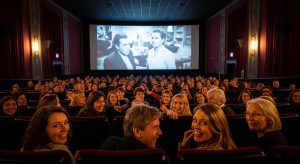
Then vs Now: How Nostalgia Has Evolved
| Factor | Past Nostalgia | Modern Nostalgia Spikes |
|---|---|---|
| Access | Limited (TV reruns, DVDs) | Instant streaming access |
| Audience | Mostly older generations | All age groups |
| Speed | Slow trend cycles | Viral and rapid |
| Platforms | Television, radio | Streaming, social media |
| Strategy | Organic interest | Data-driven marketing |
| Impact | Short-lived | Continuous and widespread |
This table shows how nostalgia spikes in entertainment & pop culture have evolved into a structured and ongoing trend.
How Nostalgia Shapes Today’s Entertainment
Nostalgia is influencing nearly every part of entertainment in the U.S.
Film and Television
Reboots, sequels, and spin-offs dominate the industry. Familiar franchises attract large audiences and reduce financial risk.
Music
Older songs are going viral again, often through short-form videos. Artists are also sampling classic tracks to connect with listeners.
Fashion
Retro styles from the 90s and early 2000s are trending again, especially among Gen Z.
Gaming
Classic games are being remastered or re-released, combining nostalgia with modern technology.
These examples show how deeply nostalgia spikes in entertainment & pop culture are embedded in everyday life.
Risks and Concerns
While this trend has many benefits, there are also valid concerns.
Lack of Originality
Over-reliance on nostalgia may limit creativity and innovation in entertainment.
Audience Fatigue
Too many reboots and remakes can lead to reduced interest over time.
Misaligned Expectations
Modern adaptations may not meet the emotional expectations of original fans.
Cultural Relevance Issues
Some older content may not align with today’s social values, leading to criticism.
A balanced approach is necessary to ensure nostalgia enhances rather than replaces originality.
What You Should Do as a Viewer
Understanding nostalgia spikes in entertainment & pop culture can help you make better choices as a consumer.
Explore Beyond Nostalgia
Enjoy classic content, but also support new and original productions.
Be Selective
Not every reboot or remake offers value. Choose content based on quality, not familiarity.
Use Nostalgia for Discovery
Let nostalgic trends introduce you to older content you may have missed.
Stay Aware of Trends
Recognizing how nostalgia is used in marketing helps you make more informed decisions.
Future Outlook: What’s Next?
The future of nostalgia spikes in entertainment & pop culture is likely to become even more advanced and personalized.
AI-Driven Recommendations
Streaming platforms will use data to deliver highly personalized nostalgic content.
Interactive Experiences
Virtual reality and immersive media may allow users to relive past experiences in new ways.
Hybrid Content
Expect a blend of old and new, where classic themes are reimagined with modern storytelling.
Continued Social Media Influence
Platforms will continue to revive and amplify nostalgic moments at a rapid pace.
This trend is not slowing down—it’s evolving.
Frequently Asked Questions
Why are nostalgia trends so popular right now?
They provide emotional comfort and familiarity, especially during times of uncertainty.
Are nostalgia-driven shows and movies successful?
Yes, many perform well because they already have a built-in audience.
Do younger generations connect with nostalgic content?
Yes, often through social media, where older trends are reintroduced in new ways.
Is nostalgia harming creativity in entertainment?
It can, if overused, but it can also inspire new ideas when used thoughtfully.
Will nostalgia trends continue in the future?
Yes, but they will likely evolve with technology and audience preferences.
Conclusion
Nostalgia spikes in entertainment & pop culture are reshaping how Americans engage with media. They offer comfort, familiarity, and a connection to the past while driving major decisions in the entertainment industry.
However, the key lies in balance. While nostalgia can be powerful, it should not replace innovation. As insights from platforms like RankAshva suggest, the future of entertainment will depend on blending the emotional strength of nostalgia with fresh, original ideas.
For viewers, the opportunity is simple—enjoy the past, but stay open to what’s next.

More Stories
The Devil Wears Prada 2: Why Miranda Priestly’s Audio Is Dominating TikTok
End of an Era: Inside Stephen Colbert’s Emotional ‘Late Show’ Series Finale
Netflix MMA Viewership 2026: How Ronda Rousey’s 17-Second Fight Changed Streaming Sports