
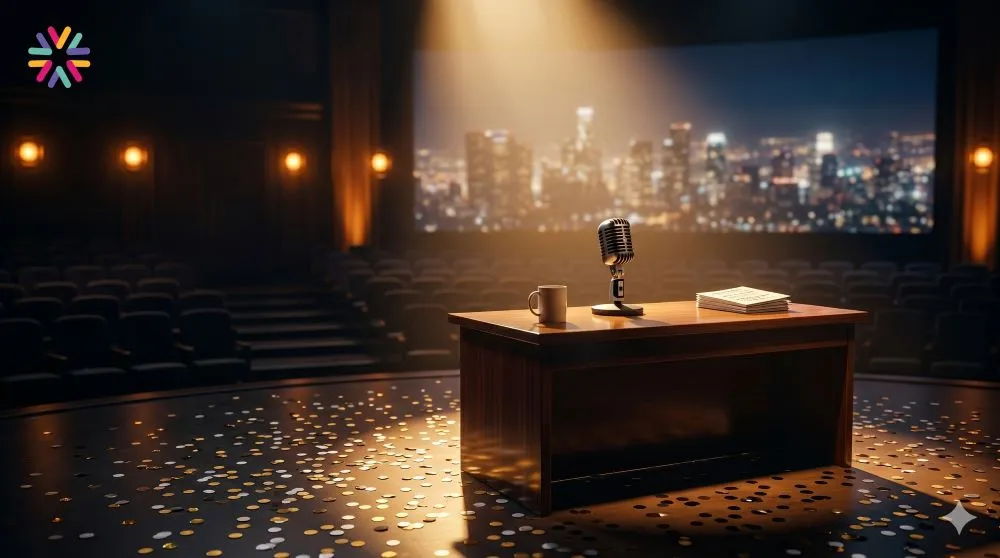
Late-night television has always been about more than jokes. At its best, it turns the day’s noise into something viewers can process, laugh at, and understand.
That is why the Stephen Colbert finale felt bigger than one host saying goodbye. It marked the end of a historic CBS franchise, the closing of a cultural chapter, and a major turning point for late-night TV in 2026.
Quick Answer: What Happened in Stephen Colbert’s Finale?
- The Late Show last episode aired on CBS on May 21, 2026, closing Stephen Colbert’s run as host.
- The finale became a major pop culture moment because it ended both Colbert’s era and the larger Late Show franchise.
- Colbert farewell guests included major entertainment figures, with Paul McCartney playing a key role in the emotional goodbye.
- CBS cited financial pressure in late-night TV as the reason for ending the show and retiring the franchise.
- The finale matters because it reflects a larger shift in how Americans watch comedy, politics, interviews, and celebrity culture.
Stephen Colbert Finale: Why This Goodbye Felt So Big
The Stephen Colbert finale was not just another celebrity farewell. It was the final curtain for a show that helped define American late-night television for more than a decade under Colbert and for more than three decades as a CBS institution.
Stephen Colbert took over The Late Show in 2015 after David Letterman’s legendary run. At the time, Colbert was known for sharp political satire, quick intelligence, and a unique ability to blend comedy with moral seriousness. Over the years, his version of The Late Show became a place where entertainment, politics, journalism, music, and national emotion often met on the same stage.
The final episode leaned into that history. It was emotional, self-aware, funny, theatrical, and deeply nostalgic. The Ed Sullivan Theater was not just a backdrop. It became part of the story. The same venue that carried so much television history became the room where CBS late night said goodbye to one of its defining modern voices.
For many viewers, the ending felt personal. Colbert’s audience did not simply watch him interview celebrities. They watched him respond to elections, crises, scandals, cultural debates, grief, and absurdity. His show became a nightly rhythm for people who wanted comedy with a point of view.
What Happened in The Late Show Last Episode?
The Late Show last episode mixed celebration with farewell. The tone was not only sad. It carried the energy of a victory lap, a reunion, and a thank-you note to the audience.
One of the most talked-about moments was Paul McCartney’s appearance. His presence was deeply symbolic because the Ed Sullivan Theater is tied to one of the most famous television moments in music history: The Beatles’ American TV breakthrough in 1964. Bringing McCartney into Colbert’s final chapter connected past and present in a way that felt larger than a normal guest booking.
The final show also included musical moments, surprise appearances, comedy bits, and emotional reflections from Colbert. Elvis Costello and Jon Batiste were part of the farewell atmosphere, adding another layer of musical history. Batiste’s return was especially meaningful because he had been such a memorable part of Colbert’s early Late Show identity.
The episode worked because it understood what fans wanted. They did not need a standard interview hour. They needed closure. They wanted one last reminder of what made Colbert’s version of late night distinct: warmth, intelligence, satire, music, community, and an ability to find humor without pretending the world was simple.
Why The Finale Is Trending in the United States
The finale is trending because it sits at the intersection of entertainment, politics, business, nostalgia, and changing media habits. Few TV endings touch all of those areas at once.
First, Colbert was not a neutral presence in American culture. His comedy often reflected the mood of politically engaged viewers. Whether people agreed with him or not, he became one of the most visible late-night voices during a period when politics and entertainment became deeply connected.
Second, CBS ending the franchise raised bigger questions about the future of late-night TV. For decades, network late-night shows were powerful cultural platforms. They launched comedians, shaped celebrity campaigns, influenced political conversations, and created viral moments before social media became dominant.
Now the business is different. Younger viewers often watch clips on YouTube, TikTok, Instagram, and streaming platforms instead of sitting down for a full broadcast at 11:35 p.m. Advertising has changed. Production costs are high. Political comedy can attract loyal audiences but also sharp criticism. The traditional late-night model is under pressure from every direction.
That is why the Stephen Colbert finale feels like a symbol. It is about one host, but it is also about what happens when a classic TV format collides with a fragmented digital culture.
Why It Matters Right Now
The end of Colbert’s Late Show matters because late-night television has long been one of America’s shared cultural spaces. Even when people disagreed with the host, the format created a nightly meeting point for comedy, celebrity, politics, and national reaction.
In today’s media environment, shared spaces are harder to find. Audiences are split across streaming services, podcasts, social feeds, newsletters, and creator platforms. A big finale still brings people together because it reminds viewers of the old power of broadcast television: one stage, one host, one audience, one final goodnight.
For CBS, the decision also shows how networks are rethinking expensive legacy formats. Late-night programming once felt nearly untouchable. Now even a high-profile host with cultural influence can be affected by financial realities.
For comedians and creators, the lesson is clear. The future of late night may not belong only to network desks and studio bands. It may live across podcasts, streaming specials, live events, short-form clips, newsletters, and social-first commentary.
Late-Night TV 2026: What Is Changing?
| Area | Traditional Late Night | Late-Night TV 2026 | What It Means for Viewers |
|---|---|---|---|
| Viewing habits | Audiences watched full episodes on broadcast TV | Many viewers watch clips, highlights, and interviews online | Fans may follow moments instead of entire shows |
| Comedy style | Monologues, desk bits, celebrity interviews | More political clips, social commentary, podcasts, and creator-led formats | Comedy feels more personalized and platform-specific |
| Business model | Network ads supported expensive nightly production | Networks face cost pressure and fragmented attention | More shows may change format, shrink, or move online |
| Guest culture | Movie stars and musicians used late night as a key promotional stop | Guests now use podcasts, social media, and creator channels too | Celebrity promotion is less dependent on one TV appearance |
| Cultural impact | Late night helped shape next-day conversation | Viral clips compete with endless digital commentary | Big moments still matter, but they spread differently |
The Role of Colbert Farewell Guests
The Colbert farewell guests mattered because they turned the final stretch into a cultural sendoff rather than a quiet cancellation. Final-week appearances from major names such as Jon Stewart, Steven Spielberg, Bruce Springsteen, David Byrne, and others showed how widely Colbert’s show was respected across comedy, film, music, and public life.
The farewell guest lineup also reminded viewers that Colbert’s career has never fit into one box. He is a comedian, interviewer, political satirist, performer, writer, and cultural commentator. The range of guests reflected that range.
Paul McCartney’s role in the finale gave the episode its strongest sense of history. It was not just a famous musician appearing on a final show. It was a direct connection to the building’s television mythology. In a finale built around memory, that choice felt almost cinematic.
“The Late Show did not simply end with Stephen Colbert; it closed like a cultural landmark dimming its lights, leaving behind proof that late night still matters when wit, history, and heart share the same stage.”
Risks, Concerns, and Opposing Views
The finale also came with debate. CBS described the decision to end the show as financial, but some critics questioned whether politics played a role because the announcement followed public controversy involving Paramount and political criticism from Colbert.
It is important to separate confirmed facts from interpretation. CBS stated that the decision was business-related and not connected to performance, content, or outside controversy. At the same time, skepticism from viewers, media observers, and political figures became part of the public conversation.
There is also a broader concern about what gets lost when network late night shrinks. A show like Colbert’s employed writers, producers, musicians, crew members, bookers, editors, and many behind-the-scenes professionals. The loss is not only cultural. It is also professional and creative.
On the other hand, some viewers believe late night had become too predictable, too political, or too dependent on viral outrage. For them, the end of one era may create space for new voices and formats. That argument deserves attention too. Entertainment does not stand still. Sometimes endings make room for reinvention.
What Readers Should Do Now
If you are a longtime fan, the first step is simple: watch the finale with context. Do not treat it only as a celebrity goodbye. Watch it as the closing chapter of a format that shaped American television for decades.
Second, revisit key Colbert moments from the past decade. His best work often came when comedy carried emotional weight. Look for interviews, monologues, musical performances, and segments that explain why his audience stayed loyal.
Third, pay attention to the CBS late night schedule after Colbert. What replaces a major franchise can say a lot about where networks think audience demand is heading. If the replacement programming is cheaper, lighter, less political, or more flexible, that tells viewers something about the current economics of television.
Fourth, follow where Colbert goes next. A talent like his is unlikely to disappear from public life completely. Whether through streaming, specials, books, live events, podcasts, producing, or another television format, the next chapter could be very different from the old nightly desk.
Future Outlook: What Happens After Colbert?
The future of late-night TV in 2026 will likely be more fragmented. Traditional hosts will still matter, but the center of gravity is moving. A sharp monologue can become a YouTube clip. A celebrity interview can become a podcast headline. A political joke can travel faster on social media than through broadcast ratings.
This does not mean late night is dead. It means late night is being redefined. The strongest future formats may combine the discipline of television with the flexibility of digital platforms. Viewers still want smart comedy, thoughtful interviews, and shared cultural moments. They may simply want them on their own schedule.
Colbert’s final episode showed that the emotional power of late night still exists. People cared because the show had history, personality, and a clear point of view. That is the lesson networks and creators should remember. The desk is not the magic. The voice is.
FAQ: Stephen Colbert Finale and The Late Show Ending
When was Stephen Colbert’s final Late Show episode?
Stephen Colbert’s final episode of The Late Show aired on May 21, 2026, on CBS. It marked the end of his run as host and the end of the larger Late Show franchise.
Who appeared in Stephen Colbert’s finale?
The finale featured major farewell moments with Paul McCartney, Elvis Costello, Jon Batiste, and other surprise appearances. The final week also included high-profile guests from comedy, film, music, and public life.
Why did CBS end The Late Show with Stephen Colbert?
CBS said the decision was financial and connected to the challenging late-night business environment. The network also said it would retire the Late Show franchise rather than continue it with a new host.
What happens to CBS late night after Colbert?
CBS is expected to move into a different late-night schedule after Colbert, with lower-cost comedy programming taking the slot. This reflects a broader shift in how networks are approaching late-night TV in 2026.
Will Stephen Colbert return to TV?
There is no guaranteed answer yet. However, Colbert remains one of the most recognizable figures in American comedy, so many fans expect him to continue in entertainment, commentary, live performance, streaming, or another media format.
Conclusion: A Final Goodnight With Lasting Meaning
The Stephen Colbert finale was more than the end of a show. It was a reminder that late-night television still has the power to gather people around comedy, memory, politics, music, and emotion.
Colbert’s goodbye mattered because it closed a chapter that helped define how millions of Americans processed the modern news cycle. The format may change, the schedule may change, and the audience may move across platforms, but the need for smart, human, funny interpretation is not going away.
As a RankAshva editorial opinion, the lasting lesson is clear: The Late Show ended as a broadcast institution, but the best parts of Colbert’s legacy will continue wherever audiences look for intelligence, humor, and honesty at the end of a long day.




More Stories
The Devil Wears Prada 2: Why Miranda Priestly’s Audio Is Dominating TikTok
Netflix MMA Viewership 2026: How Ronda Rousey’s 17-Second Fight Changed Streaming Sports
Is Antoine Fuqua’s Michael the Greatest Music Biopic Ever? Inside Its $700M Global Box Office Reign