
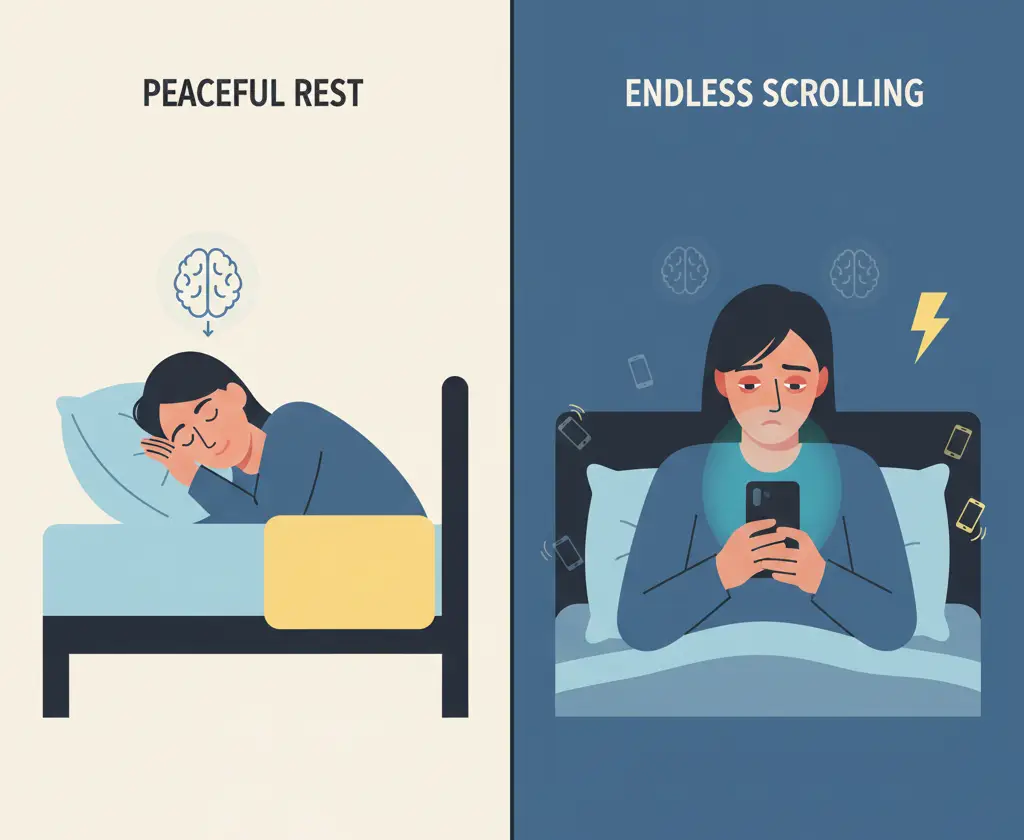
Most people do not reach for their phones out of boredom. They reach for them because something inside feels unsettled. Phone addiction often appears when someone feels low, lonely or emotionally drained. In today’s world, another major force shapes this habit. Stress.
Jobs feel demanding. Workloads grow. Expectations rise. Relationships bring conflict or uncertainty. Modern life is filled with pressure, and when the mind feels overwhelmed, it searches for quick comfort. The phone becomes the easiest escape. Scrolling feels automatic because it offers relief from emotional discomfort.
People rarely feel the urge to scroll when they are happy, fulfilled or mentally at ease. The habit appears when sadness, emptiness or stress takes over. This is not a weakness. It is a pattern shaped by the brain’s reward system and the way dopamine responds to stress.
This blog explains how stress increases addiction, how dopamine influences the cycle, and what you can do to improve your mental health and life happiness.
Key Takeaways
Phone addiction increases when stress rises and mental health declines. People crave their phones less on days when they feel calm and content. Stress from work, relationships and daily challenges pushes the brain to seek comfort. Dopamine keeps the scrolling cycle active. Understanding triggers helps break the habit. Emotional stability reduces the need for external stimulation. Simple habits can restore balance and support a happy life.
Why People Turn to Their Phones When They Feel Stressed or Unhappy

In the past, people managed stress through conversation, rest or creative activities. Today, the phone has replaced many natural coping tools. It fits in the hand, requires no effort and delivers instant distraction. When someone feels stressed about work, disconnected in a relationship, or overloaded by daily life, the mind seeks relief.
The phone gives relief instantly, but only for a moment. It does not remove the stress. It only covers it. People often scroll to avoid thoughts they do not want to face. Heavy days push the mind to escape, and the phone becomes the easiest exit.
This is why phone addiction appears most strongly during difficult emotional states. The problem is not the phone itself. It is the feeling behind the urge.
How Stress Reduces Dopamine and Increases Craving
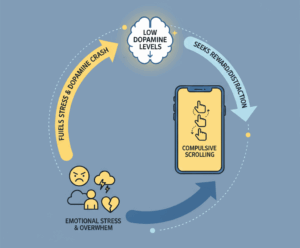
Stress lowers dopamine. This matters because dopamine drives motivation, interest and reward. When dopamine drops, everything feels harder. Focus becomes difficult. Pleasure feels out of reach. Life feels heavier.
When dopamine is low, the brain becomes more sensitive to fast rewards. Phones provide these rewards continuously through new messages, new videos and unpredictable content. Each swipe gives a tiny dopamine lift, not enough to create real happiness but enough to keep someone scrolling.
Long workdays, emotional conflicts or mental overload increase the desire for quick relief. The brain is not searching for entertainment. It is searching for balance.
Why Happiness Reduces the Urge to Scroll
People forget their phones when their day is going well. When they feel connected, valued, or productive, natural dopamine levels increase. This creates emotional stability. The brain does not need external stimulation when internal satisfaction is already present.
This is why during holidays, social gatherings or enjoyable activities, people often use their phones less. Happiness blocks the desire to escape. When life happiness rises, addiction loses its grip.
How Job Pressure and Relationship Challenges Increase Phone Addiction

Modern stress is constant. Many people bring work pressure home, carry relationship worries into their day and manage life with a mind that rarely rests. Deadlines, unstable work environments and burnout create mental tension. Relationship issues, such as arguments, distance, or emotional uncertainty, add to the load.
These pressures push the brain into survival mode. When the mind feels too heavy, scrolling becomes a momentary escape. It creates an illusion of peace. It replaces thoughts someone does not want to face. This is why many people scroll at night. They are not relaxing. They are trying to soothe themselves after a stressful day.
This makes phone addiction part of a larger mental health cycle.
How Scrolling Blocks Emotional Processing
The mind needs quiet moments to process stress. Phones interrupt this. When someone scrolls instead of reflecting or resting, emotional tension stays trapped. This creates numbness rather than clarity.
Over time, the person becomes more dependent on the phone because the root stress was never addressed. Stress rises. Dopamine drops. Addiction strengthens. Mental health declines.
The cycle continues until someone becomes aware of the pattern.
Why Phone Addiction Resembles Substance Craving
Alcohol, cigarettes and drugs often become coping tools for stress, loneliness or emotional pain. People do not seek the substance. They seek relief. Phones follow the same behavioural pattern.
Scrolling offers a quick lift. It distracts from discomfort. It becomes automatic in difficult moments. The heavier the emotion, the stronger the craving.
Even though phones do not create a chemical high, the psychological cycle is similar. Stress triggers the behaviour. Dopamine reinforces it. Emotional avoidance maintains it. This is why many people feel lost without their phones. They rely on them for emotional balance.
How to Break the Phone Addiction Cycle
Stopping phone addiction is not about removing the phone. It is about strengthening your emotional foundation so you do not rely on external dopamine to feel okay.
Understand Your Triggers
Phone use often follows stress, conflict, or negative emotions. Notice when the urge appears. This awareness weakens automatic behaviour and helps rebuild control.
Add a Pause Before Reaching for Your Phone
A short pause helps break the cycle. Ask yourself what you are feeling at that moment. This shifts your attention from the phone to your emotional state. When you can name the feeling, the craving loses some power.
Use Small Delays
Choose to wait one minute before checking your phone. You are not restricting yourself. You are interrupting the automatic response. This delay strengthens self-control.
Build Natural Dopamine
Exercise, learning, meaningful work, connection, fresh air, and creative activities naturally raise dopamine levels. These activities support mental health and reduce cravings for fast stimulation. When natural dopamine increases, scrolling becomes less attractive.
Improve Mental Health Through Real Rest
Quiet moments, sleep, breathing exercises, time offline and gentle movement help the mind recover from stress. These practices reduce emotional overload and weaken addictive patterns.
Set Light Boundaries With Your Phone
Simple adjustments, such as charging the phone outside the bedroom, turning off unnecessary notifications, or keeping it away during meals, support healthier habits. These changes reduce mindless scrolling without feeling restrictive.
Conclusion: Strengthening Your Emotional World to Reduce Addiction
Phone addiction grows during high stress, low dopamine and emotional discomfort. It becomes strongest when work feels overwhelming, relationships feel uncertain, or life happiness feels low. The phone becomes a temporary escape, but the relief fades quickly. The deeper the stress, the stronger the habit.
Regaining control begins with improving emotional well-being. Strengthening your internal world reduces the need for external stimulation. When natural dopamine rises and mental health improves, the urge to escape fades. The phone returns to being a tool instead of a coping mechanism.
A simple plan to support this includes understanding your triggers, pausing before you reach for your phone, choosing small delays, building natural dopamine, resting your mind, reducing stress through daily routines and creating light boundaries around phone use. Over time, these habits support life happiness and reduce addiction by helping you meet emotional needs from within.




More Stories
100 Non-Negotiable Rules for Men
Salvaging Wardrobes: The Definitive Guide to Removing Set-In Grease Stains After Washing
Restoring Clarity: How to Clean Oven Glass With Baking Soda Without Harsh Chemical Sprays